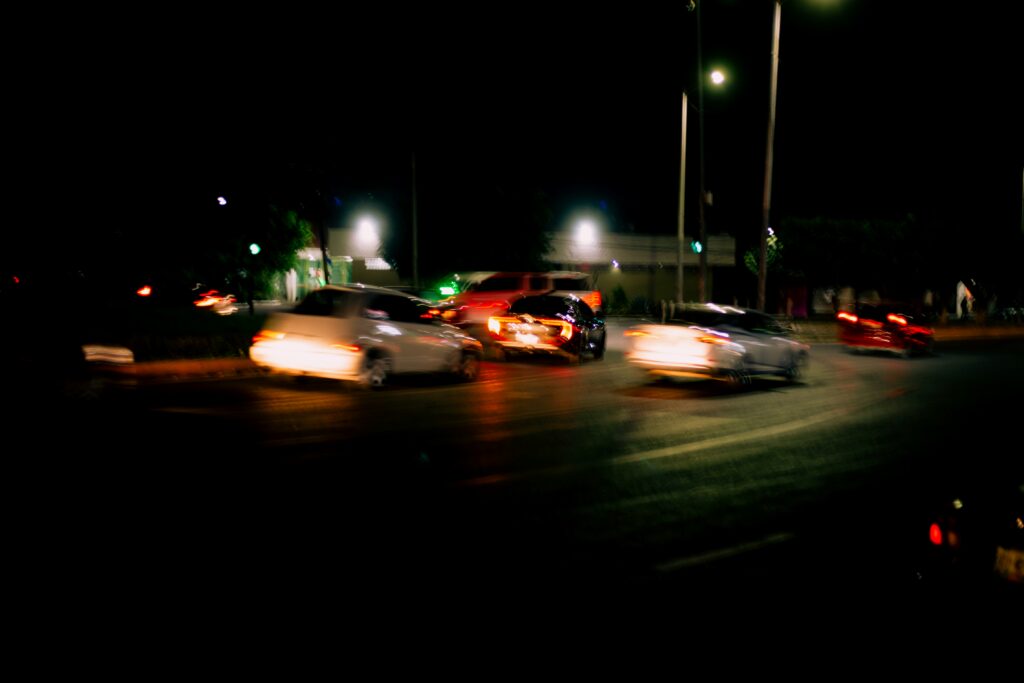
Michigan has observed Daylight Saving Time for decades, and residents know the jolt that comes each time the clock changes. Under permanent DST, drivers will no longer reset their clocks twice a year, but they will face new patterns of darkness and light across the state.
State safety officials have already warned that reduced lighting during transitions can increase risks for pedestrians and bicyclists, especially in the first hour of darkness and around school travel times. Research from Michigan and national transportation institutes shows that pedestrians are more likely to suffer serious or fatal injuries in the weeks following time changes as visibility drops and drivers struggle to adapt.
With permanent DST, many Michigan drivers—particularly in western parts of the state—will see winter sunrises occur later in the morning, moving more school drop-offs and commutes into dawn or full darkness. That combination of low light, potential fatigue, and higher traffic volumes can increase the odds of rear-end crashes, turning collisions at intersections, and severe pedestrian and cyclist impacts.
Keller & Keller’s Michigan team urges motorists to reduce speed, eliminate distractions, and give extra space to people walking or rolling on bicycles, wheelchairs, and scooters during early-morning and early-evening travel. When a driver fails to adjust to these conditions—by speeding, driving drowsy, or ignoring crosswalks—and causes a crash, our attorneys step in to gather evidence and hold them accountable. We understand how Michigan’s evolving time and light patterns intersect with statewide safety campaigns, and we leverage that context to fight for maximum recovery for our clients.
Michigan blog: 5 FAQs about Permanent DST and Michigan Drivers
1. How does permanent Daylight Saving Time change driving conditions in Michigan?
Permanent Daylight Saving Time keeps clocks an hour ahead year-round, which means winter sunrises in Michigan will occur later in the morning. More drivers, pedestrians, and cyclists will be traveling during dawn or full darkness, especially in western parts of the state, which can increase crash and injury risk.
2. Why are pedestrians and cyclists at higher risk after time and light changes?
When light levels drop, it becomes harder for drivers to see people walking or biking, especially in crosswalks, at intersections, and near bus stops. If drivers fail to slow down, put away distractions, or scan for vulnerable road users, the chance of severe or fatal pedestrian and cyclist crashes rises.
3. Do darker commutes affect fatigue and drowsy driving in Michigan?
Yes. Changes in daylight and daily schedules can disrupt sleep patterns and cause drivers to feel groggy or fatigued, particularly during early-morning commutes. Drowsy driving slows reaction time and impairs judgment, which can make rear-end crashes, lane departures, and intersection collisions more likely.
4. What evidence is important in a crash that happens in low light?
Photos or video of the scene, including lighting conditions, streetlights, traffic signals, and weather, can be critical evidence. Police reports, witness statements, and any available traffic or surveillance camera footage can also help show how visibility and driver behavior contributed to the collision.
5. How does Keller & Keller support Michigan crash victims under these new time rules?
Keller & Keller’s Michigan attorneys investigate whether drivers adjusted properly to darker conditions, followed speed limits, and watched for pedestrians and cyclists. We then build a case that connects their unsafe choices to your injuries and fight for full compensation under Michigan law, at no upfront cost to you.